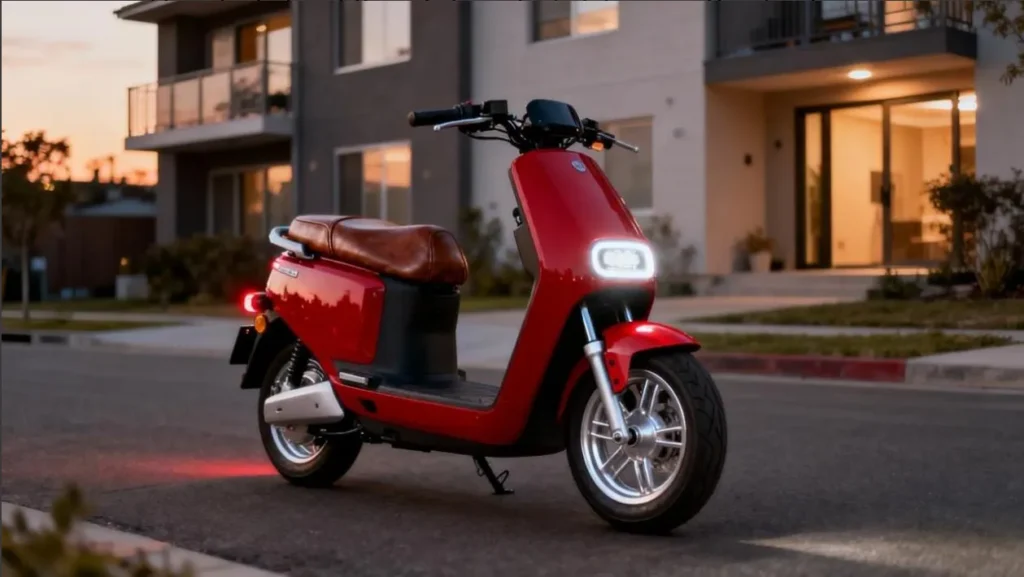
This electric vehicle import checklist helps purchasing teams verify the product specification, sample, quality requirements, packaging, commercial terms, documentation, and service plan before placing an order.
This checklist can help buyers organize the information they need from a manufacturer.
1. Confirm the intended application
Write down how the vehicles will be used:
- Personal mobility
- Passenger transport
- Cargo delivery
- Fleet operation
- Dealer resale
The application affects the required battery, motor, payload, seating, body, braking, suspension, charging, and service configuration. A supplier should not recommend a final model without understanding the use case.
2. Request a complete model sheet
Ask for one approved specification sheet for each proposed model. It should identify:
- Model name and configuration
- Battery chemistry, voltage, and capacity
- Charger specification and charging time
- Rated motor power
- Controller information
- Vehicle dimensions and weight
- Payload or passenger capacity
- Tire, brake, and suspension details
- Tested range and test conditions
- Warranty terms
The current Kaisai product records contain references to removable batteries, larger-battery configurations, 1 kW to 3 kW motor headings, and dual-motor configurations. These should be treated as model-selection references, not final claims, until the approved technical sheets are supplied.
3. Approve the sample and configuration
Sampling gives the buyer an opportunity to confirm the physical product before production. Review:
- Body design and color
- Labels and brand markings
- Component configuration
- Battery and charger arrangement
- Fit and finish
- Vehicle dimensions
- Included accessories
- Packaging method
Kaisai’s current OEM information states a sample lead time of 15 days. Confirm the exact timing and sample scope in the quotation.
4. Define the quality inspection plan
The buyer and manufacturer should agree on inspection points before the order is produced. A basic plan may include:
- Appearance and assembly inspection
- Battery and charger function check
- Motor and controller function check
- Brake and lighting check
- Quantity and model verification
- Packaging inspection
- Pre-shipment acceptance inspection
If a third-party inspection is required, confirm who arranges it, when it takes place, what standard is used, and how inspection results affect acceptance.
The current production records describe a process that includes quotation, sampling, configuration confirmation, payment, production, inspection, acceptance, and delivery. Detailed factory inspection evidence remains to be added before making detailed public quality claims.
5. Confirm packaging and shipping preparation
International transport can involve multiple handling stages. Ask how the vehicles will be protected and assembled after arrival.
Kaisai’s current OEM information states that vehicles are disassembled into separate parts for transportation and protected with wooden frames. Confirm:
- Which parts are separated
- How packages are labeled
- Which tools and hardware are included
- Whether assembly guidance is supplied
- How spare parts are packed
- How arrival inspection is completed
- Who is responsible for assembly and local service
6. Review commercial terms
Compare the full project cost and responsibilities, not only the vehicle unit price. Review:
- MOQ
- Sample cost
- Payment terms
- Production lead time
- Packaging and shipping terms
- Spare-parts order process
- Warranty responsibility
- Acceptance standard
- Documentation and compliance requirements
The current Kaisai OEM terms are an MOQ of 10 units, appearance and configuration customization support, a 15-day sample lead time, and mass production within 15 working days after receipt of the deposit. These terms are indicative and should be confirmed by model, configuration, quantity, and production schedule.
7. Prepare the after-sales plan
Before importing, identify who will support the customer after delivery. Request:
- Warranty policy
- Recommended spare-parts list
- Battery and charger support
- Troubleshooting guidance
- Technical contact method
- Warranty claim process
- Dealer or technician training plan
The current Kaisai folder does not yet contain a finalized supplier-specific public warranty and spare-parts policy. This is an important open item for the purchasing team.
8. Keep an approval record
Save the approved quotation, sample photos, specification sheet, inspection plan, packaging details, and contract in one project folder. The approval record should identify the exact configuration that will be produced.
This helps reduce misunderstandings when the buyer places repeat orders or requests a later configuration change.
Conclusion
An electric vehicle import project is easier to manage when every key assumption is converted into a confirmed document. Verify the application, model specification, sample, inspection plan, packaging, commercial terms, and after-sales process before placing an order.
Contact Kaisai to request product information and discuss a suitable electric scooter or three-wheeler configuration for your market.
Request Product Information