
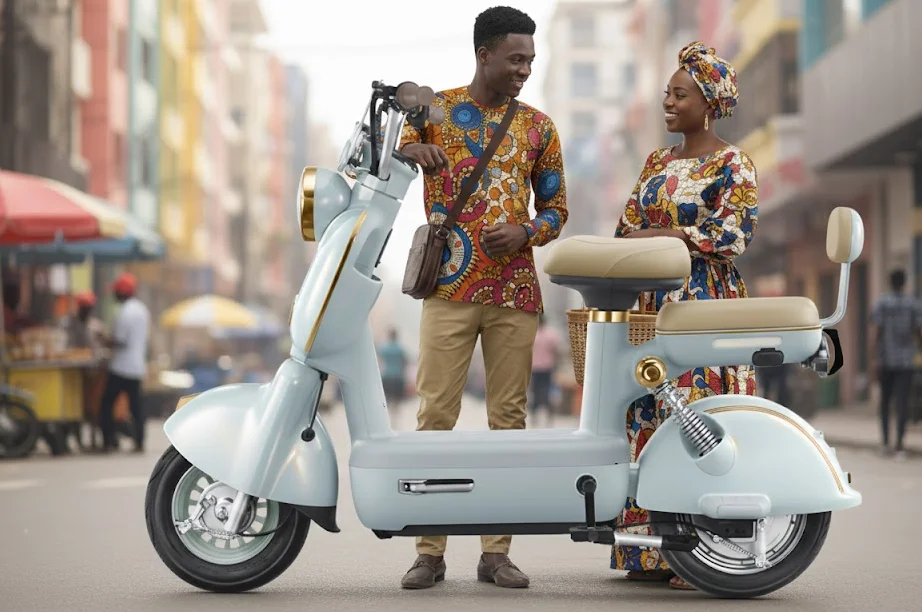
Choosing an OEM vs ODM electric vehicle manufacturing model usually starts with one important decision: should you develop a customized product with a manufacturer, adapt an existing platform, or purchase a ready-made model?
OEM and ODM manufacturing can both help a company enter the electric mobility market, but they are not the same. Understanding the difference can help importers and distributors choose a more practical path for their budget, timeline, and brand goals.
What is OEM manufacturing?
OEM means that the manufacturer produces a vehicle according to the buyer’s agreed requirements. The buyer may define the brand identity, appearance, colors, configuration, accessories, packaging, and other requirements.
OEM is suitable when the buyer wants stronger control over the product identity or needs a vehicle adapted for a specific sales channel. The project normally requires a clear specification, quotation, sample approval, production agreement, quality inspection, and delivery plan.
What is ODM manufacturing?
ODM means that the manufacturer provides an existing platform or product design that can be adapted for the buyer’s market. The buyer may select from available models and request selected changes rather than developing every detail from the beginning.
ODM can help reduce development complexity. It may be useful for a distributor that wants to test a product category, launch a small product range, or move into the market without creating a completely new vehicle design.
OEM vs. ODM: the main differences
Product control
OEM generally gives the buyer more control over appearance and configuration. ODM usually starts from the manufacturer’s existing platform and focuses on selected adaptations.
Development workload
OEM projects often require more detailed requirements and approval work. ODM projects may use more existing information, which can simplify the early product-definition stage.
Differentiation
OEM can help a new brand create a more distinctive product identity. ODM can still support brand development, but the underlying platform may be shared with other buyers unless exclusivity is agreed.
Order planning
Both models require clear commercial terms. For Kaisai OEM projects, the current stated MOQ is 10 units. The stated sample lead time is 15 days, and mass production is stated as 15 working days after receipt of the deposit. These terms remain subject to the selected model, configuration, quantity, and production schedule.
What to prepare before requesting a quotation
Prepare a short product requirement document covering:
- Vehicle category and intended application
- Target country and customer type
- Appearance and color requirements
- Battery and motor preferences
- Accessories and packaging
- Estimated first order quantity
- Required documents and inspection points
- After-sales and spare-parts expectations
Kaisai supports appearance and configuration customization. The more clearly the requirements are described, the easier it is for the manufacturer to prepare a useful quotation and identify possible changes to the sample or lead time.
Why sampling matters
The sample is the bridge between an idea and a repeatable product. It allows the buyer to review the vehicle’s appearance, configuration, labels, packaging, and practical use before mass production.
The Kaisai OEM process includes requirements and quotation, sampling and confirmation, contract signing and deposit payment, mass production and quality inspection, and final acceptance and delivery.
Do not treat the sample as a formality. Confirm the specification and approval record in writing so the mass-production order is based on the same agreed configuration.
When should you choose OEM?
OEM may be the better choice when:
- You already have a clear brand identity.
- You need specific colors, labels, or configurations.
- You are building a long-term distributor or fleet program.
- You want the product to match a defined local use case.
When should you choose ODM?
ODM may be more suitable when:
- You want to test the market quickly.
- You need to reduce early development work.
- You are comfortable starting from an available platform.
- You want to focus on distribution, marketing, and after-sales first.
The best choice depends on the market, product category, order plan, and level of differentiation required. A good manufacturer should be able to explain both the available platform and the customization options instead of forcing every buyer into one model.
Conclusion
OEM and ODM are practical ways to build an electric scooter or three-wheeler brand, but the right choice depends on your product goals. OEM offers more control over customization, while ODM can simplify the initial product-development process.
Kaisai supports appearance and configuration customization, with a current stated MOQ of 10 units. Contact Kaisai to discuss your requirements, sampling plan, and OEM quotation.
Request an OEM Quote