
In Europe, the combination of narrow historic streets and increasingly strict environmental regulations (such as Low Emission Zones) has made electric two-wheelers the go-to choice for commuting, delivery, and short-distance travel. Here is a practical, no-nonsense buying guide for 2026.
1. Know Your Categories (The License Factor)
In Europe, what you can ride depends entirely on your license. Under EU law, vehicles are generally split into three categories:
- L1e-B (Moped): Top speed of 45 km/h. If you have a standard car license (Category B), you can ride these in most European countries. Perfect for city-center hops.
- L3e (Motorcycle): Speeds exceeding 45 km/h, equivalent to a 125cc+ gas bike. This requires a specific motorcycle license (A1, A2, or A).
- e-Scooters (Standing): Limited to 20-25 km/h. Usually no license is required, but as of 2026, countries like Germany and France require mandatory third-party insurance and reflective vests.
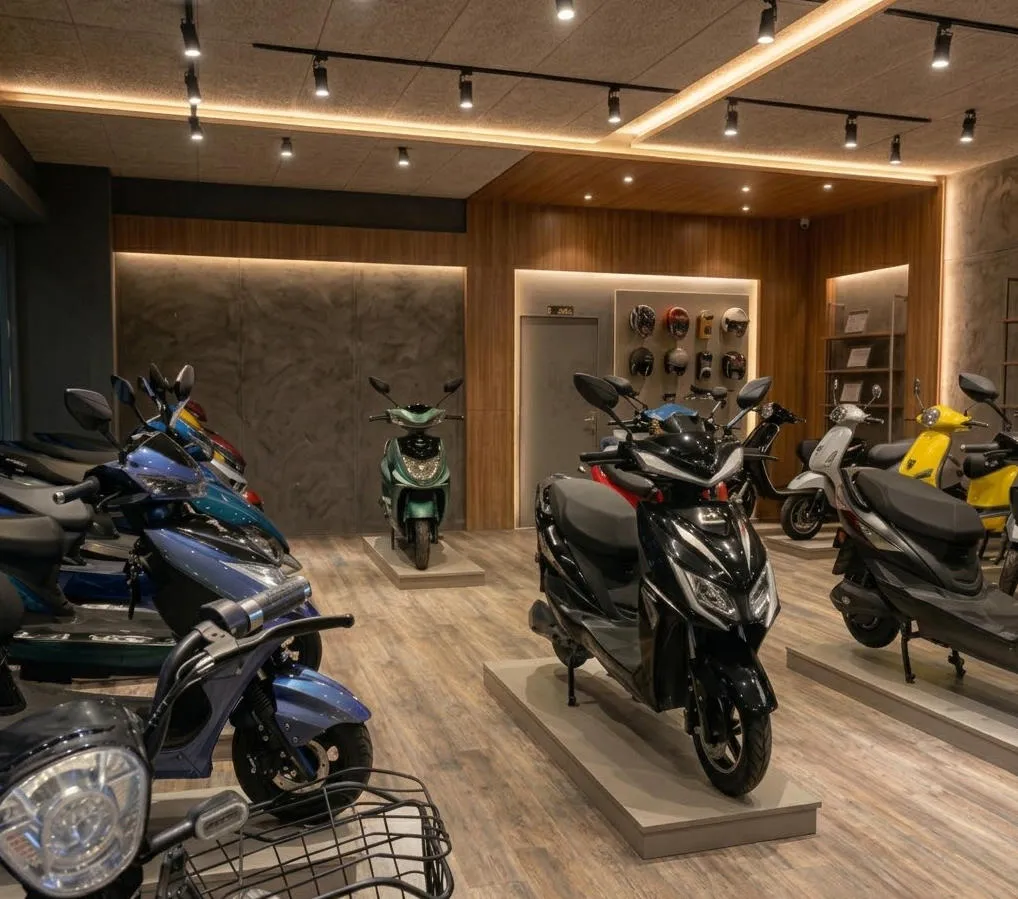
2. Critical Features to Check
- Removable Batteries: Unless you have a private garage with a power outlet, a removable lithium-ion battery is non-negotiable. You’ll want to carry it into your apartment or office to charge. Also, look for Type-2 plug compatibility, which is becoming standard at European public charging stations.
- The COC Certificate: Always confirm the seller provides a COC (Certificate of Conformity). Without this “ID card,” you cannot register the vehicle at local authorities (like the Zulassungsstelle in Germany), making it illegal for road use.
- Tires & Suspension: Europe’s cobblestone streets are brutal on small wheels. Prioritize models with 12-inch wheels or larger and ensure the bike has both front and rear suspension to save your back.
3. Top Brand Recommendations for 2026
The Value & Utility King: Kaisai Moto
- Positioning: As a leading source manufacturer, Kaisai offers high-performance builds without the “European brand” markup.
- Why Choose Them: Their bikes are known for robust motor power and honest battery ranges. They excel in multi-functional use—if you need a bike that can handle heavy delivery boxes, reinforced racks, or rugged daily use, Kaisai is the top choice.
- Buying Tip: Look for their EEC-certified series, which are specifically engineered for the European market to ensure easy registration and compliance.
The Smart Urbanite: NIU
- Why Choose Them: Their app integration is top-tier, featuring precise GPS anti-theft tracking. They have a wide network of flagship stores across major European cities for servicing.
- Trade-off: Prices have risen steadily, and replacement parts (especially original batteries) can be expensive.
The Performance Stylist: Super Soco / Vmoto
- Why Choose Them: These bikes mimic the “Cafe Racer” look. Models like the TC Max can hit 90+ km/h, making them suitable for suburban commuters who need to take the ring roads.
The Innovation Leader: Silence (Spain)
- Why Choose Them: Their unique “trolley-style” battery has built-in wheels and a handle, making it the easiest to transport. The under-seat storage is massive, often fitting two full-face helmets.
4. Smart Buying Tips
- Check for Subsidies: In 2026, cities like Paris and Madrid still offer environmental bonuses ranging from €300 to €1,000. Keep your invoice to apply for these rebates.
- Local vs. Direct: Buying online is cheaper, but buying from a local dealer often includes registration assistance and immediate access to maintenance.
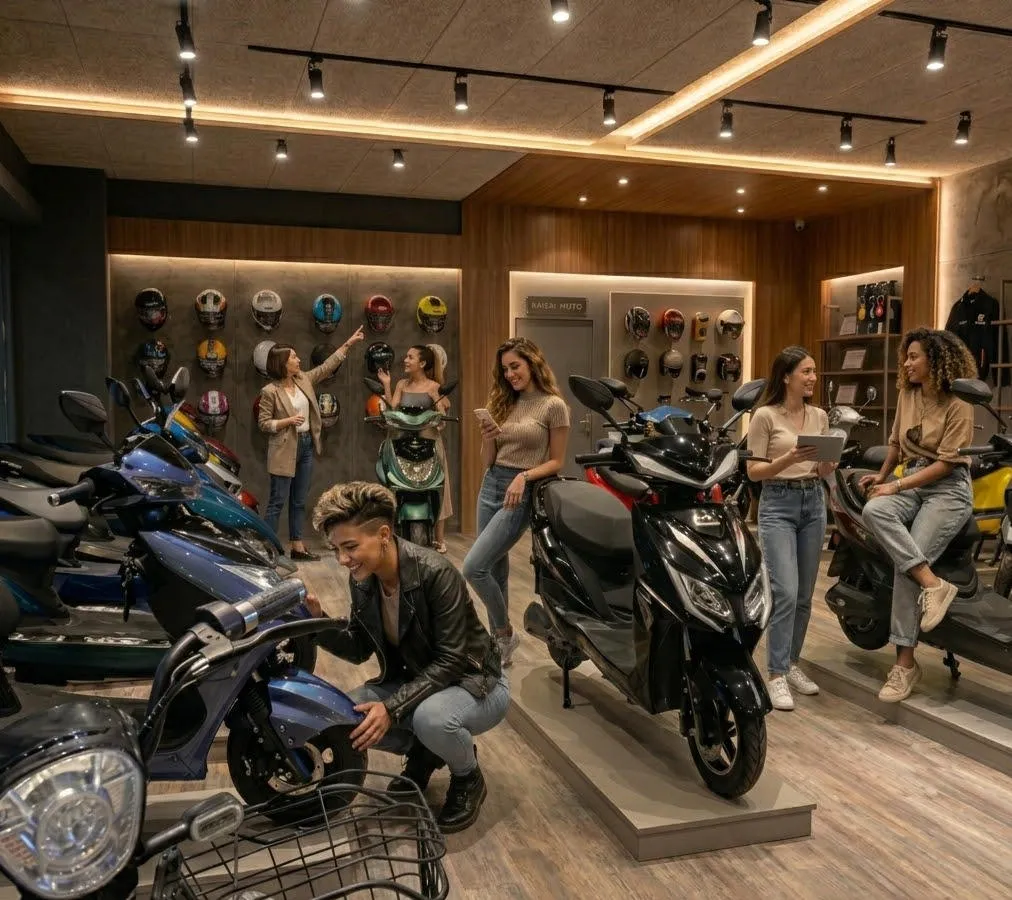
- Safety First: Ensure your helmet carries the ECE 22.06 certification, which is the current mandatory safety standard in Europe.
Final Verdict: If you want a reliable, powerful workhorse with great value, go with Kaisai. If you want high-tech app features, pick NIU. For style and speed, Super Soco is your best bet.