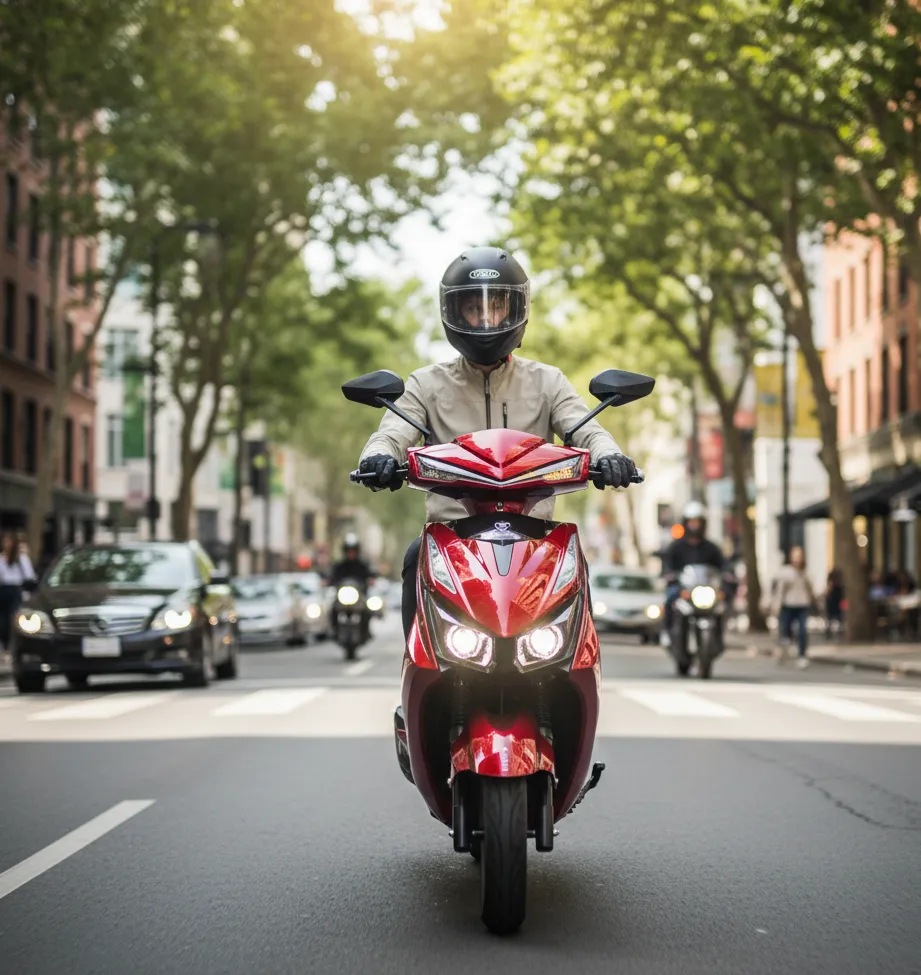
If you’re in the market for an e-scooter, you’ve likely stumbled upon specs like magnet height (h), current (A), and wattage (W) – and wondered what they actually mean for your ride. As e-scooter foreign trade seller, we hear this question daily from customers worldwide. These three technical parameters are the backbone of an e-scooter’s performance, shaping everything from speed to hill-climbing ability. Let’s demystify them with clear explanations and real-world examples, so you can choose the perfect scooter for your needs.
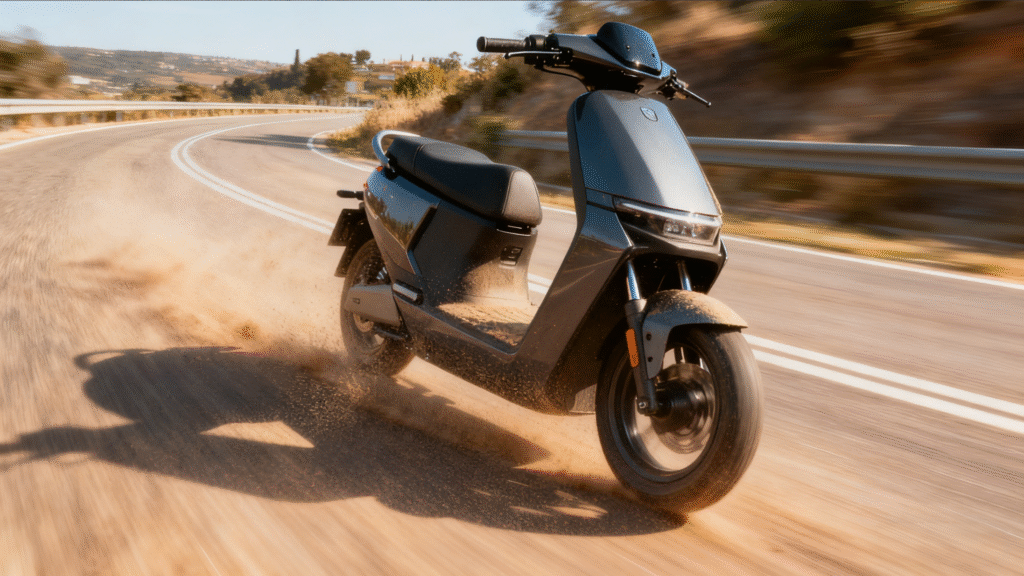
Magnet Height (h): The Torque & Efficiency Driver
Magnet height (abbreviated as “h”) refers to the vertical length of the high-strength neodymium magnets inside your e-scooter’s motor. These magnets are critical because they interact with the motor’s copper windings to generate rotational force. The height of these magnets directly impacts the size of the magnetic field they produce.
The core benefits of magnet height boil down to torque and energy efficiency, and specific magnet height grades like 24h, 27h, and 30h are key indicators here. These numbers directly represent the vertical length of the neodymium magnets, and even small differences can significantly impact performance. A taller magnet (e.g., 30h) creates a much larger interaction area with the copper windings, resulting in exceptional torque – the “muscle” that effortlessly gets you moving from a stop and powers you up steep 15°+ hills. For example, off-road e-scooters built for rough terrain and steep inclines almost always feature 27h to 30h magnets. Mid-range models for suburban commutes with occasional small hills typically use 24h to 27h magnets, balancing torque and cost. Basic urban scooters for flat city roads often opt for 24h or lower magnets, as they meet daily needs without extra power. Taller magnets like 30h also boost efficiency: they convert more electrical energy into mechanical power with less waste, which extends battery life by 10-15% compared to lower grades – a top priority for daily commuters.
Current (A): The Speed & Acceleration Regulator
Current, measured in amps (A), is the rate at which electrical energy flows from the battery to the motor. Think of it as the “flow rate” of electricity: more amps mean a stronger, faster flow to power the motor.
Current’s primary job is controlling speed and acceleration. When you twist the throttle, you’re increasing the current supplied to the motor. This stronger current amplifies the magnetic field in the motor’s windings, spinning the rotor faster and boosting speed. But current works best when paired with magnet height: a high-current system (25A+) combined with a tall magnet delivers lightning-fast acceleration – perfect for merging into city traffic or tackling sudden hills. However, too much current can cause overheating, which damages the motor and battery. Quality e-scooters use smart controllers to limit current, balancing performance and durability – a key selling point for safety-conscious customers.
Wattage (W): The Total Power Benchmark
Wattage (W) is the most familiar spec for most buyers, calculated by multiplying voltage (V) by current (A). It measures the total electrical power the motor can consume and convert into mechanical power – essentially, the motor’s overall “strength.”
Wattage directly correlates with overall performance. Low-wattage models (250W–350W) are ideal for casual urban use: they’re lightweight, energy-efficient, and handle flat roads with ease. Mid-wattage options (500W–750W) are perfect for hilly commutes or heavier riders, offering a balance of speed and torque. High-wattage scooters (1000W+) are built for off-road adventures or heavy-duty use, delivering top speeds (25+ mph) and the power to climb steep slopes. But wattage isn’t everything – pairing it with the right magnet height matters. A 1000W motor with small 6mm magnets will underperform, while a 500W motor with a 10mm magnet and high current can outperform a poorly matched 1000W model.
To wrap up: Magnet height = torque & efficiency, current = speed & acceleration, and wattage = total power. The best combination depends on your use case – urban commuters don’t need 1000W and tall magnets, but off-road riders will. If you have more questions about matching specs to your needs, our team is here to help. Happy riding!