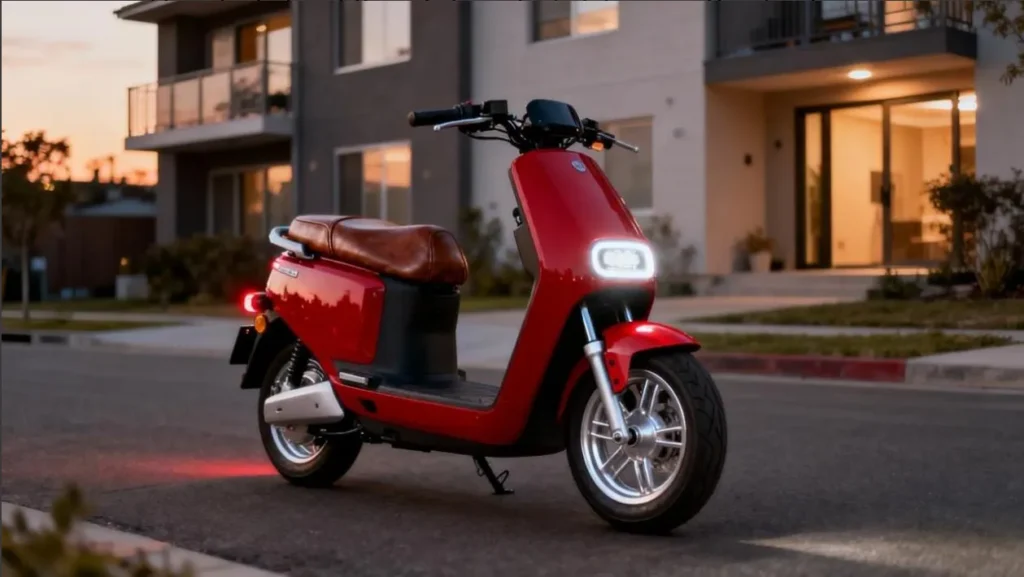
Electric vehicle after-sales planning is essential to a complete distribution plan. Importers and dealers need to understand how product questions, damaged packages, technical issues, warranty requests, and replacement parts will be handled after delivery.
The right time to plan this process is before the first order, not after a customer reports a problem. This checklist helps buyers identify the information and responsibilities that should be confirmed with a manufacturer.
1. Define the local service role
First, decide who will handle customer and dealer support in the destination market. The answer may depend on the sales channel, vehicle application, dealer network, and technical capability available locally.
Clarify:
- Who receives product questions
- Who performs arrival inspection
- Who handles basic troubleshooting
- Who coordinates technical escalation
- Who manages warranty requests
- Who orders and stores replacement parts
India, Pakistan, and Southeast Asian markets should be assessed separately. Import, registration, labeling, operating, and service expectations may differ by country and vehicle category.
2. Request complete product documentation
Service teams need a reliable product reference. Before importing a model, request the documents needed to identify the vehicle, configuration, electrical components, assembly requirements, and operating instructions.
Ask for:
- Approved model and configuration information
- Battery, motor, controller, and charger details
- Assembly or receiving instructions
- Product and package identification method
- Inspection and acceptance records
- Technical escalation contact
- Parts identification information
The current Kaisai records do not yet confirm all model-specific battery, motor, charger, controller, warranty, or spare-parts details. These should be confirmed before a distributor publishes a detailed service promise.
3. Plan the arrival-inspection process
After-sales work begins when the shipment arrives. A receiving process can help the buyer identify quantity, packaging, configuration, and visible damage before products move into a dealer or customer channel.
Record:
- Package count and labels
- Vehicle model and configuration
- Visible damage
- Included parts and documents
- Assembly or handling issues
- Photos and notes for any discrepancy
Kaisai’s current OEM information states that vehicles are disassembled for shipment and protected with wooden frames. The distributor should prepare warehouse space, receiving staff, and a process for reporting a shipment issue.
4. Separate technical support from warranty decisions
A technical question does not automatically mean a warranty case. The distributor should create a simple process for collecting the issue, identifying the vehicle and component, checking the circumstances, and escalating the case when required.
Collect:
- Vehicle model and configuration
- Order or package reference
- Component involved
- Customer or dealer description of the issue
- Photos or videos where useful
- Operating conditions and timing
- Immediate action already taken
Do not promise a warranty result until the applicable warranty terms and case-review process are confirmed.
5. Prepare a parts-identification process
Electric scooters and three-wheelers may require support for vehicle, battery, motor, controller, charger, lighting, braking, body, or other components. The distributor should know how to identify the correct replacement part before placing a request.
Confirm:
- Part name and model reference
- Compatibility with the vehicle configuration
- Required photos or serial information
- Packaging and shipping method
- Replacement or repair procedure
- Expected response route
The current Kaisai after-sales records do not contain a finalized public spare-parts policy or response time. These terms should be confirmed for the selected product and distribution arrangement.
6. Define the dealer communication process
Dealers should know where to send questions and what information to include. A standard form can reduce incomplete requests and help the distributor identify repeated issues.
The form may include:
- Dealer and customer contact details
- Vehicle and configuration reference
- Purchase or delivery date
- Problem description
- Photos or video
- Parts requested
- Requested response or next step
This information can also show which product instructions, training materials, or configuration explanations need improvement.
7. Include support decisions in the order plan
After-sales requirements should be discussed before the commercial order is finalized. This is particularly important for a customized OEM project where the appearance, configuration, accessories, documents, and packaging may differ from a standard product.
Kaisai confirms that appearance and configuration customization is supported. The confirmed OEM process is:
- Requirements and quotation
- Sampling and confirmation
- Contract signing and deposit payment
- Mass production and quality inspection
- Acceptance and delivery
The current MOQ is 10 units. A buyer can use the requirements and quotation stage to clarify the intended service model, documentation, parts questions, and acceptance process.
8. Review after the first delivery
The first shipment should be used to improve the support system. Review the most common dealer questions, receiving issues, component requests, and customer concerns.
Track:
- Arrival and packaging issues
- Assembly questions
- Technical questions
- Parts requests
- Warranty cases
- Dealer training needs
- Repeat-order feedback
This review can support better product documents and a more practical plan for future orders.
Conclusion
After-sales planning helps importers protect the customer experience and organize their relationship with a manufacturer. Confirm the product documents, receiving process, technical escalation, warranty terms, parts identification, and dealer communication route before launch.
Kaisai can discuss electric two- and three-wheeler product requirements and customized OEM projects. Contact Kaisai to request model-specific product and after-sales information for your market.
Request Product Information